
Truth & Love Blog
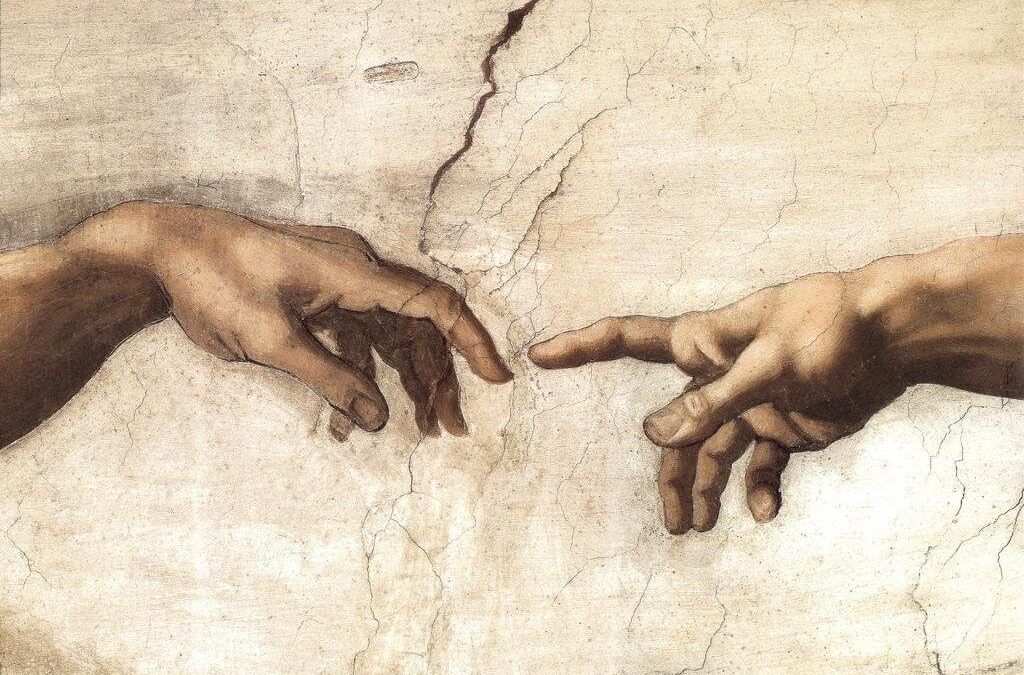
Jesus: Soul Physician of Embodied-Souls
As biblical counselors, if we minimize or neglect ministry to the whole person—to the embodied-soul—then we are not Jesus-like soul physicians.

How to Care Like Christ: Counseling Like the Wonderful Counselor
None of us are fully Christlike counselors. We are all progressively moving toward becoming more like Christ as Christians and as counselors.

In Abusive Relationships, Misapplying Biblical Principles Can Endanger the Abuse Victim and Can Enable the Abuser
Not every biblical principle applies to every unique life situation. Biblical wisdom is the ability to apply biblical truth relevantly.
The Body Keeps the Score; The Embodied-Soul Calculates the Cost
When we experience traumatic-suffering, we either despair when we view life under the sun, or we find hope as we view life in the Son.
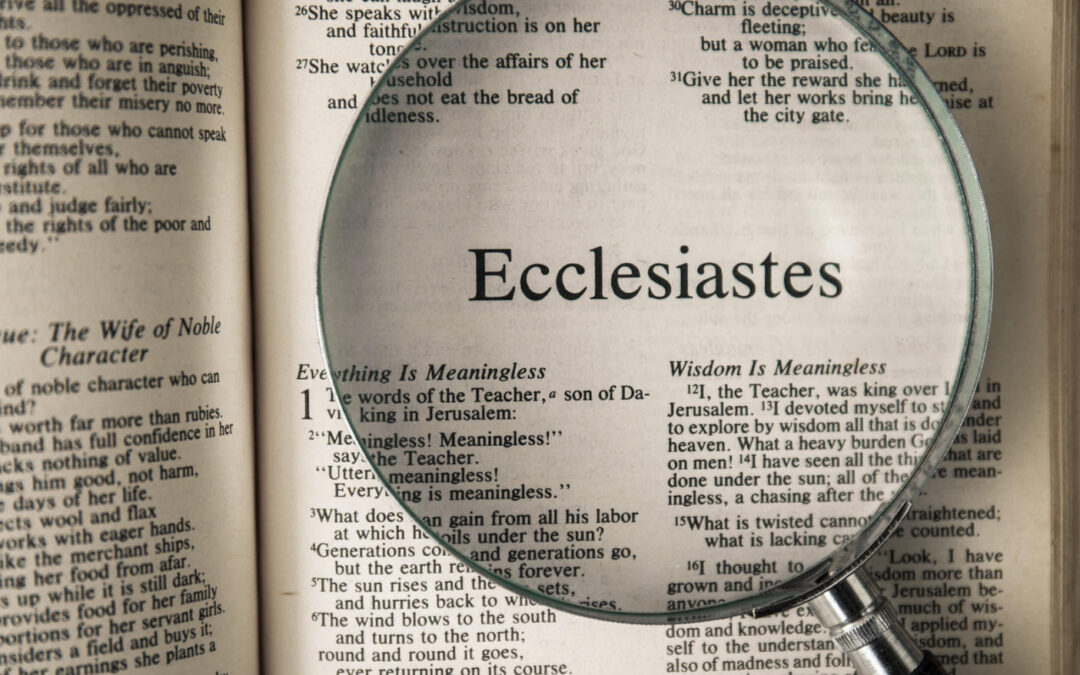
Two Very Different Ways of Looking at Life: What Does Ecclesiastes Teach Us About How We View Traumatic-Suffering?
When we experience unjust suffering, we either despair as we view life under the sun, or we find hope as we view life in the Son.
Proverbs & Biblical Counseling: Wisdom for Life & Wisdom from Life
The Bible does not teach us to avoid extra-biblical sources of knowledge. It teaches us to assess extra-biblical sources of knowledge.
4 Pillars of Oneness in Marriage: Leave, Weave, Cleave, and Receive
Learn how to apply the Genesis 2:23-25 creation marital narrative of “leave, cleave, weave, and receive” in a gospel-centered way.
3 Purposes That Can Change Your Marriage Forever
The purpose of marriage is to reveal God’s glory as we represent the Trinity, reflect Christ and the church, and enhance the maturity of our spouse.
Can Biblical Counselors Be Committed to the Sufficiency of Scripture and Use Neuroscience Findings?
Biblically, what is the relationship between the the sufficiency of Scripture and neuroscience research in biblical counseling?
Musings on My 65th Birthday
When you turn 65, you get to share some stuff. Here’s some thoughts–hopefully a little wisdom–after 65 years on planet Earth.