Meet Patrick Porras: Guest Blogger
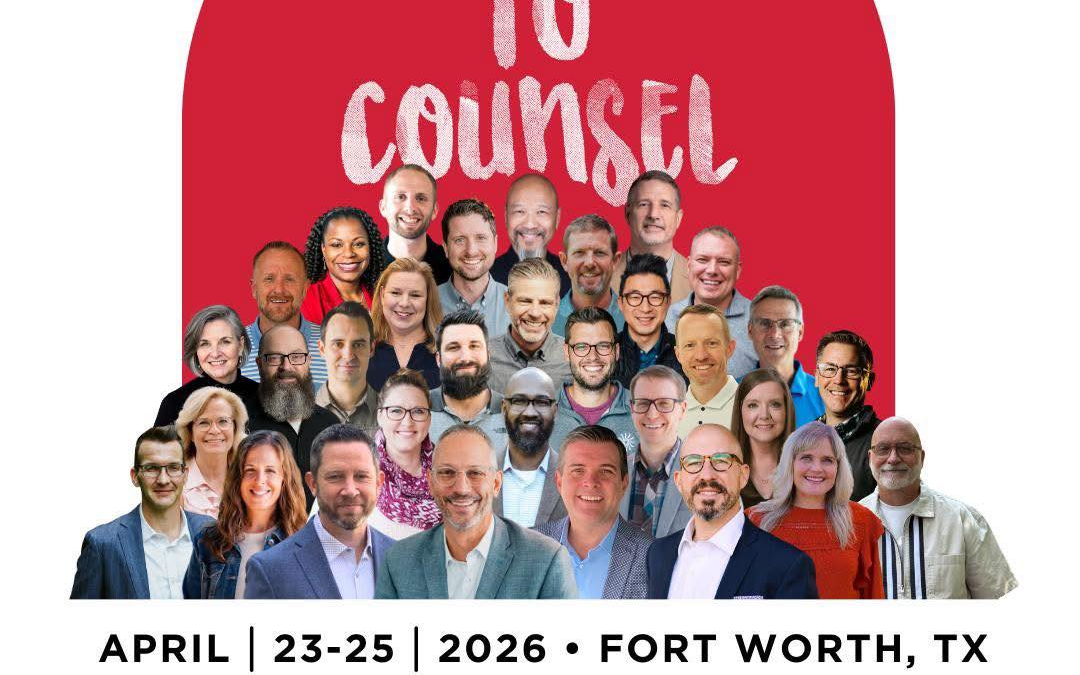
Today is the first of several blog posts from attendees and presenters at the 2026 Association of Biblical Counselors’ Call to Counsel annual conference. Patrick Porras is our guest blogger. Here’s his bio:
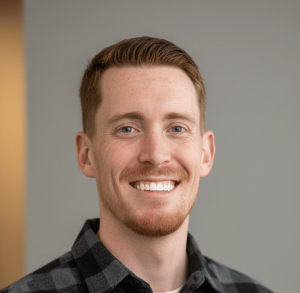 Patrick Porras: I am an elder at Redemption City Church in Rochester, MN where I help oversee our biblical counseling ministry and training. I also counsel locally and virtually through Steadfast Biblical Counseling. I am both ACBC certified and ABC Level 2 certified.
“A Reversible Jersey”
As someone who is an ACBC certified biblical counselor and an ABC Level 2 certified biblical counselor, I have been trying to figure out where I land on the conversations happening within the biblical counseling movement. I have felt like I’ve had a reversible jersey of sorts on for the last year. I have appreciated aspects from both sides of the conversation and the training offered by both.
I helped take a group through ABC Level 1 last year after several of our people stalled out after Phase 1 of ACBC. It was well received and helpful for our church.
I thought it appropriate to attend this year’s conference and figure out if the criticism being thrown toward the CCEF/ABC side of things is warranted before we continue to partner with them. I am so glad I did.
Plenary Sessions
As he walked through John 17, Jeremy Lelek made it clear that he believes that the chief aim of counseling is to glorify God and that the goal is for the counselor and the counselee to better know Christ through His Word. He did talk about engaging with an unbeliever who was very angry with God by listening and entering her story for a while before engaging in some Scripture with her, but he laid out his reasons very clearly and even if you would do things a different way, he left no reason to leave you thinking he doesn’t believe the Bible is not where the power is or sufficient for counseling.
I missed Jeremy Pierre’s session. Mark Vroegop masterfully walked through 2 Peter 1:16-21. He called counselors to remember that our authority comes from the Word and to remember this especially when we become good counselors. That hit. John Henderson brought out the beauty of the grace of God and the power of His Word through Isaiah 55:6-11 using some powerful imagery and apt illustrations. I don’t know how anyone could question either of their stances on the sufficiency of Scripture after hearing how they unpacked those key texts and their implications for counseling.
Track: Mental Health Diagnosis
Out of all the choices, I figured either the trauma track or the unpacking mental health diagnoses track would get me closer to the heart of the divide and see where ABC is at in practice. I landed on the mental health diagnoses track with sessions from Nate Brooks, Matt LaPine, Beth Claes, and Jeremy Lelek.
I see CIBCers characterized as having a faulty anthropology and believing that people are merely sufferers who can be helped with the latest therapeutic techniques because they’ve swallowed whole the questionable nature of some of the research around trauma and other mental health issues because it gives us information the Bible can’t. Dr. LaPine answered that in the first talk on the DSM by stating that two of his critiques of the manual are an inattention to sin and creating an unhealthy victimization. He got at the sufficiency question by making it clear that,
“The Bible is the sole and sufficient ultimate authority and the norm by which we assess the products of human culture.”
Dr. Brooks began a session on Narcissistic Personality Disorder by playing a game called “Moral or Not Moral” where he had a volunteer give her take on what category descriptions about dementia and NPD fell into. He used this to make his point that the DSM does have legitimate non-moral diagnoses in there (dementia) and they have clear issues of morality (NPD) that the Bible calls sin and need to be dealt with accordingly.
Dr. Lelek gave a thoroughly helpful overview of understanding OCD and what it looks like to particularly call someone with OCD to walk by faith in order to gain victory in this area.
Beth Claes brought her previous life as a secularly trained psychologist to bear as she walked through borderline personality disorder from the DSM lens and then radically reinterpreted it through a biblical lens as she gently and sweetly ripped to shreds secular methods of offering help and hope for BPD.
Each speaker also made it clear that the observations from secular psychology can be helpful for better understanding clusters of symptoms, but ultimately do not offer a cause or ultimate hope to help those suffering.
Conclusion
I was thoroughly helped, equipped, encouraged, and refreshed by my time at the ABC Called to Counsel conference. Many of my questions were answered through the session or in conversation with others about the issues in the movement. I made some fast friends, got a great deal on a bunch of counseling books, and was grateful for the approachableness of the speakers there.
I still have some questions and am looking forward to talking through my findings with my church as we seek to solidify a partnership and explore potentially becoming a training center through ABC. I would happily return again next year!